
Key takeaways
- Portugal has usually been spared the worst of Europe's heatwaves
- This time the country is also feeling elevated temperatures
- The Atlantic Ocean normally acts as a natural cooling buffer
- Climate change means no region can expect permanent immunity
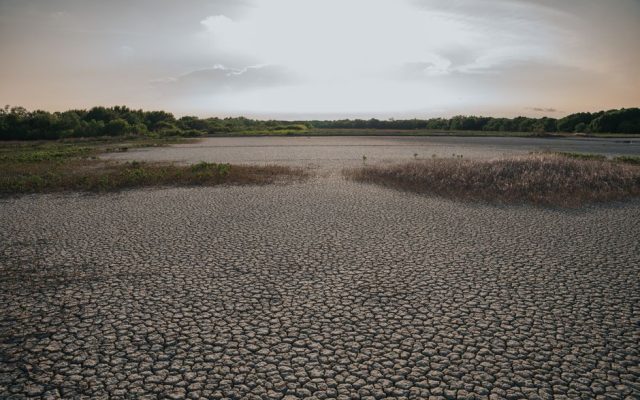
Portugal, long considered relatively sheltered from the extreme heatwaves that regularly scorch other parts of Europe, has this time found itself caught up in the same wave of high temperatures affecting the continent. Meteorologists point to the country’s usual protection — its Atlantic exposure — as the key factor that has weakened this time around.
Why Portugal is usually spared
Portugal’s position on the western edge of the Iberian Peninsula generally gives it a natural buffer against the intense heat domes that build up over continental Europe. The Atlantic Ocean acts like a giant fan, pushing cooler, moister air onto the mainland and moderating temperatures even when neighbouring Spain or France swelter.
This effect is especially pronounced along the coast, where sea breezes can keep afternoon temperatures noticeably lower than inland areas. It’s one of the reasons many foreign residents choose coastal towns in the Algarve, Lisbon area, or Porto’s surroundings — the climate tends to be milder than much of southern Europe during peak summer.
What’s different this time
Despite this usual protection, current conditions show Portugal is not escaping the broader European heat event. The specific atmospheric patterns that normally channel cooler Atlantic air across the country appear to have weakened or shifted, allowing higher temperatures to reach areas that would typically stay cooler.
This distinction between short-term weather patterns and long-term climate trends is important. A single heatwave reaching Portugal doesn’t mean the Atlantic’s moderating influence has disappeared for good — it reflects the particular weather setup this time. However, experts stress that global warming means such moderating effects can no longer be counted on as reliable protection in every instance.
Why it matters for residents
For foreigners living in Portugal, this is a reminder that the country’s reputation for a temperate, breezy climate isn’t an absolute guarantee, particularly as summers grow hotter overall due to climate change. Even regions historically seen as havens from extreme heat can experience spikes that catch residents off guard.
Practical implications include the need to take heat precautions seriously — staying hydrated, avoiding peak sun hours, and being aware that homes built for a mild climate may lack adequate cooling systems. Many older Portuguese properties, especially in city centers, were not designed with air conditioning in mind, which can make heatwaves particularly uncomfortable indoors.
As climate patterns continue to shift, both newcomers and long-term residents may need to adjust expectations about Portugal’s traditionally moderate summers, planning for occasional extreme heat events even in typically cooler coastal zones.