
Key takeaways
- IPMA red warnings issued as heatwave persists until at least 5 July
- Inland areas like Alentejo, Ribatejo could see 40°C+ days
- Overnight lows near 30°C mean little relief after sunset
- Authorities warn of health risks and rising wildfire danger
Portugal is in the grip of a prolonged heatwave, with IPMA issuing red weather warnings for hot conditions in several districts as forecasters expect extreme temperatures to persist until at least 5 July. Both daytime highs and overnight lows are running well above seasonal norms, offering little respite even after dark.
Where it’s hitting hardest
Inland regions are bearing the brunt of the heat, with maximum temperatures forecast to exceed 40°C in parts of the Alentejo, Ribatejo, Beira Baixa and the Tagus Valley. Overnight lows in some of these areas are expected to stay close to 30°C, a phenomenon known as tropical nights that prevents homes and bodies from cooling down properly.
Coastal areas are expected to fare somewhat better, though IPMA has warned the broader heatwave could last several more days across the country. Some easing is possible after the weekend, but forecasters say parts of the interior may remain very hot into next week.
Why residents should pay attention
For foreign residents unfamiliar with mainland Portugal’s summer extremes, red warnings signal the most serious level of heat alert issued by the national weather institute, typically reserved for conditions posing real health risks. Elderly people, young children, pregnant women, those with chronic illnesses and outdoor workers face the greatest danger during sustained heat like this.
Health authorities are urging people to drink water regularly, avoid the sun during peak hours, cut back on physical exertion, wear light clothing and stay in shaded or cool spaces. The government has also encouraged checking in on isolated relatives, neighbours and other vulnerable people, a common practice in Portugal during major heat events.
Rising wildfire risk
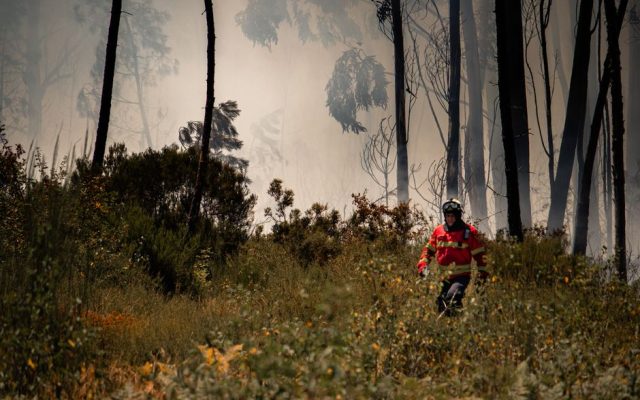
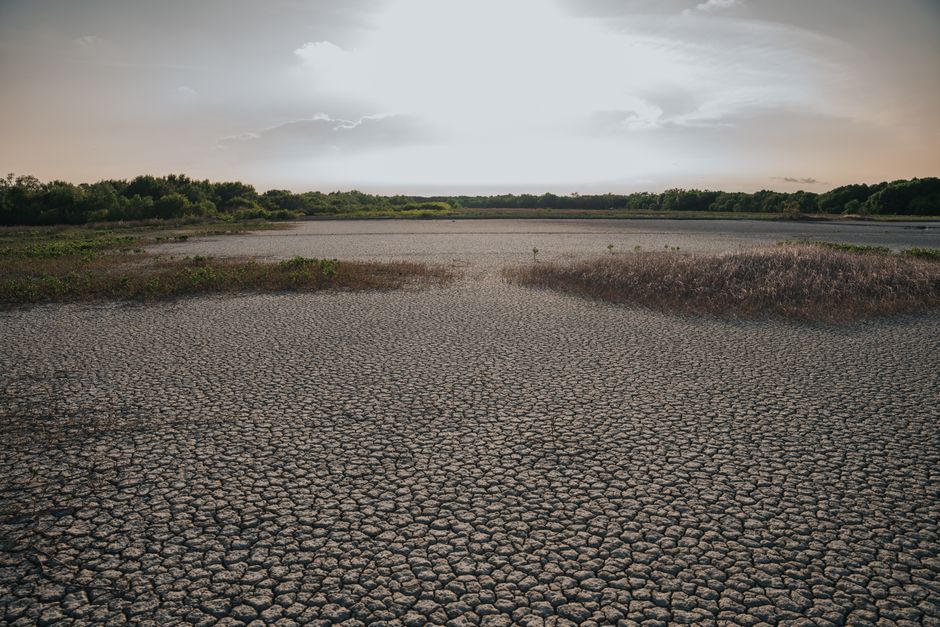
The combination of intense heat and dry conditions is also pushing up wildfire risk across much of the country, particularly inland where vegetation is under stress. Residents in rural or forested areas should stay alert to local fire risk levels and any restrictions on outdoor burning or activities that could spark blazes.