
Key takeaways
- Small acts of carelessness cause many of Portugal's rural fires each summer
- Property owners are legally required to clear vegetation near buildings
- Extreme heat this summer raises fire risk across the country
- Basic precautions before fire season can save lives and homes
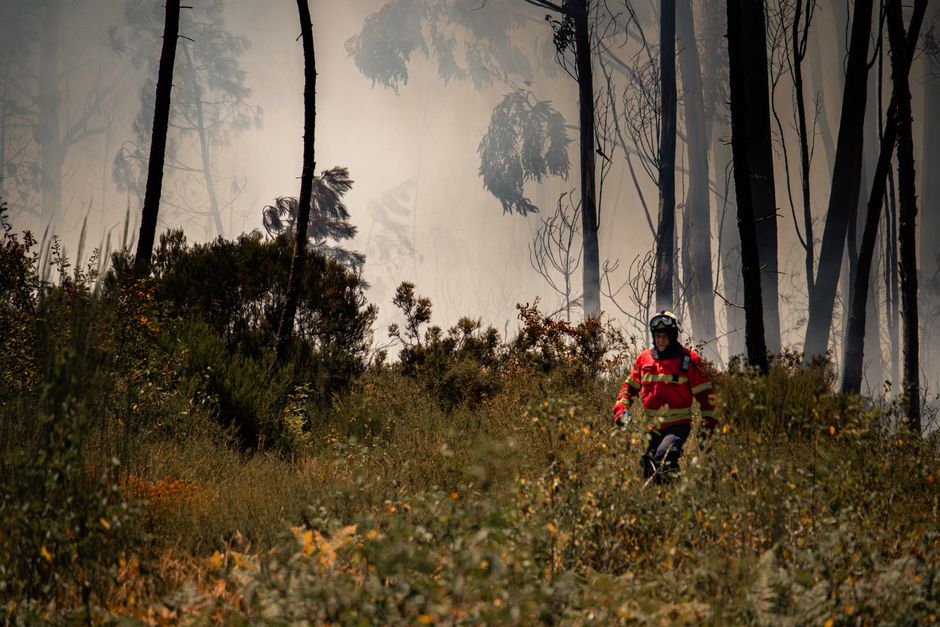
As extreme heat grips Portugal this summer, fire authorities and civil protection officials are renewing calls for residents to take basic precautions that can prevent rural fires before they start. A moment of carelessness — a discarded cigarette, an unattended barbecue, machinery sparking in dry grass — can quickly turn into a devastating blaze, and officials stress that prevention, not firefighting, is the real first line of defence.
Why this matters for foreign residents
Many expats, retirees and second-home owners in Portugal live in rural or semi-rural areas, particularly in the Algarve, Centro and parts of the North, where wildfire risk is highest during summer. Unlike in many home countries, Portuguese law places direct legal responsibility on landowners to manage vegetation around their properties, not just on the state or fire services.
Property owners are generally required to clear scrub, dry grass and flammable debris within a defined perimeter — commonly around buildings and along access roads — during specific windows set by municipal and national civil protection rules. Failure to comply can result in fines, and in the event of a fire, poorly maintained land can also complicate insurance claims or liability.
What simple prevention looks like
Officials typically highlight a handful of everyday habits that make an outsized difference: never lighting fires, burning garden waste or using fireworks during high-risk periods; keeping vehicles and machinery away from dry vegetation; properly extinguishing cigarettes; and avoiding activities like welding, grinding or using chainsaws in fields during hot, windy conditions.
Homeowners are also encouraged to keep gutters and roofs clear of dry leaves, store firewood away from the house, and maintain a clear, non-flammable buffer zone immediately around structures. These measures are inexpensive compared with the cost of losing a home, and they also make it safer and easier for firefighters to defend a property if a fire does approach.
What to do if you live in a fire-prone area
Residents in rural municipalities should familiarise themselves with local civil protection guidance, know evacuation routes, and keep basic supplies ready during red-alert weather days. Registering for municipal alert systems, where available, and keeping emergency numbers on hand is a low-effort step that can matter greatly in a fast-moving fire situation.
Given Portugal’s history of severe summer wildfires, understanding these obligations and habits is not just a bureaucratic formality — it is a practical part of living safely in the country’s rural landscape.