
Key takeaways
- 8.5 tonnes of fishing nets recovered from Olhão and Quarteira ports
- Nets will be recycled into textile fibres for clothing and shoes
- Project run by Luságua/AQUAPOR under Portugal's Blue Bioeconomy Pact
- Pact involves 80 organisations and €133 million in eligible investment
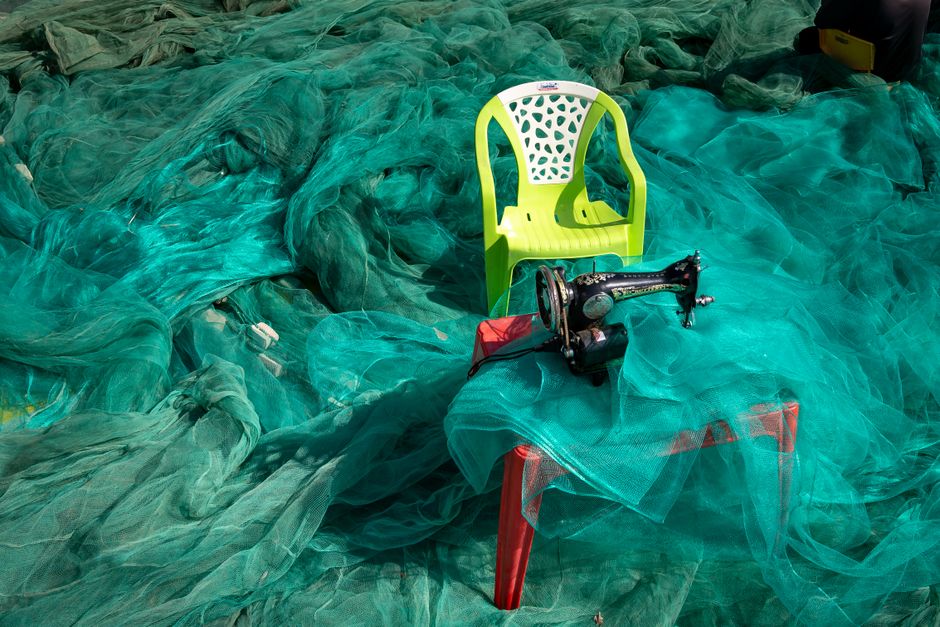
Around 8.5 tonnes of discarded fishing nets collected from the Algarve ports of Olhão and Quarteira are being given a second life as raw material for clothing and footwear, rather than ending up in landfill or the sea. The project is part of Portugal’s Blue Bioeconomy Pact, a national initiative aiming to find new industrial uses for marine waste.
What happened
The nets were gathered from the two ports, both managed by Docapesca, through a scheme run by Luságua, part of the AQUAPOR Group. Instead of being discarded, the material is being cleaned and processed into fibres suitable for the textile industry.
The resulting textile project is led by the TMG Group, which is combining the recycled net material with algae-based biomass to develop a new line of clothing and shoes. It’s a practical example of turning maritime waste, a persistent source of marine pollution, into a usable commercial product.
Why it matters for residents
For anyone living near the Algarve coast, marine litter and discarded fishing gear are a familiar sight around harbours and beaches. Ghost nets left in the sea are notorious for trapping wildlife and breaking down into microplastics that pollute coastal waters relied on by fishing communities and tourism alike.
Initiatives like this one give a concrete outlet for that waste, potentially reducing what ends up in landfill or drifting at sea. It also signals a broader shift in the Algarve’s economy toward sustainability-linked industries, which could bring new jobs and investment tied to marine resources rather than just tourism and traditional fishing.
The bigger picture
The project sits within Portugal’s Blue Bioeconomy Pact, which brings together roughly 80 companies, research centres and start-ups working on ways to use marine resources more sustainably. The pact represents an eligible investment of €133 million and has already supported 52 new products, processes or services.
Organisers frame this as part of positioning Portugal within a global blue bioeconomy sector projected to be worth around €200 billion by 2030. For foreign residents and businesses interested in sustainability or green industry in Portugal, it’s a sign of where public and private investment is heading.