
Key takeaways
- Petrol (95) expected to rise to about €1.887 per litre from Monday
- Diesel expected to rise to around €1.798 per litre
- Weekly price changes reflect international wholesale market movements
- Higher fuel costs add pressure to household and commuting budgets
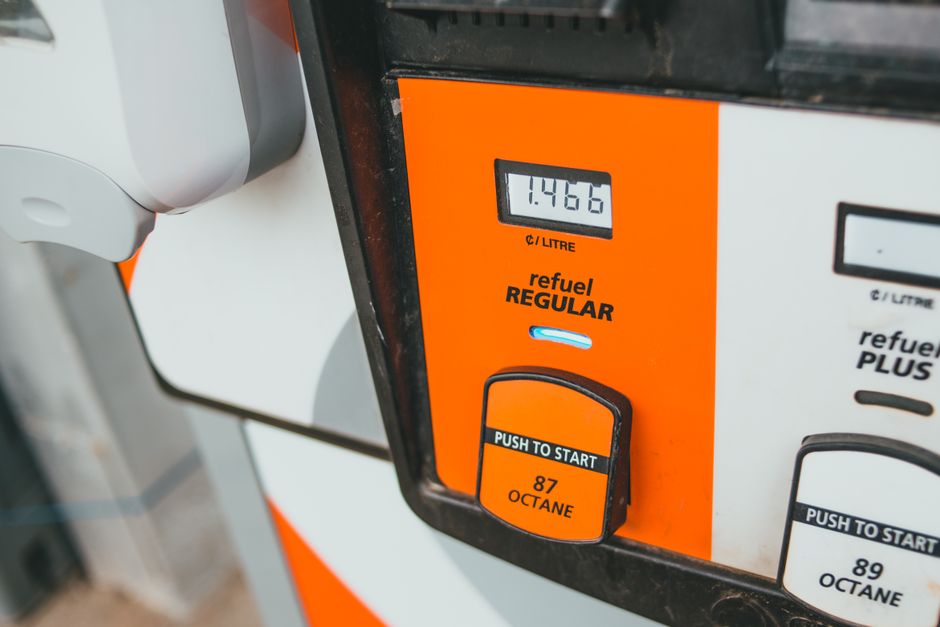
Fuel prices at Portuguese pumps are set to increase again from Monday, with simple 95-octane petrol expected to rise to around 1.887 euros per litre and simple diesel climbing to roughly 1.798 euros per litre.
What’s driving the increase
Portuguese fuel prices are typically reviewed and adjusted on a weekly basis, tracking movements in international oil markets and the euro-dollar exchange rate, with a lag of about one to two weeks before changes reach the pump. This means the increase expected next Monday reflects market conditions from the preceding days rather than any sudden domestic policy shift.
Unlike some countries where fuel prices remain fixed for longer stretches, Portugal’s system means residents can see noticeable swings from one week to the next, both up and down, depending on global crude prices and refining costs.
Why it matters for residents
For foreign residents living in Portugal, especially those outside major cities who rely heavily on cars for commuting, shopping, or reaching services, fuel costs are a significant and recurring part of the monthly budget. Portugal already has some of the higher fuel taxes in the European Union, layered on top of the base price of petrol and diesel, which means even modest increases can add up over a year.
Rising fuel costs can also have knock-on effects for those who don’t drive, since transport costs feed into the price of groceries, deliveries, and other goods that travel by road.
What to watch
Because these adjustments happen weekly, this rise may not be the last one this month, and prices could just as easily fall again if wholesale conditions shift. Residents who drive regularly may want to keep an eye on weekly price bulletins and consider timing larger fill-ups, or compare loyalty schemes and discounts offered by different fuel brands, to soften the impact of these routine increases.