
Key takeaways
- European navies are intensifying operations against Russia's sanctions-evading tanker fleet
- The 'shadow fleet' moves Russian oil above Western price caps using obscure ownership
- Russia is reportedly militarizing some of these vessels
- Analysts warn the standoff could raise tensions in European waters
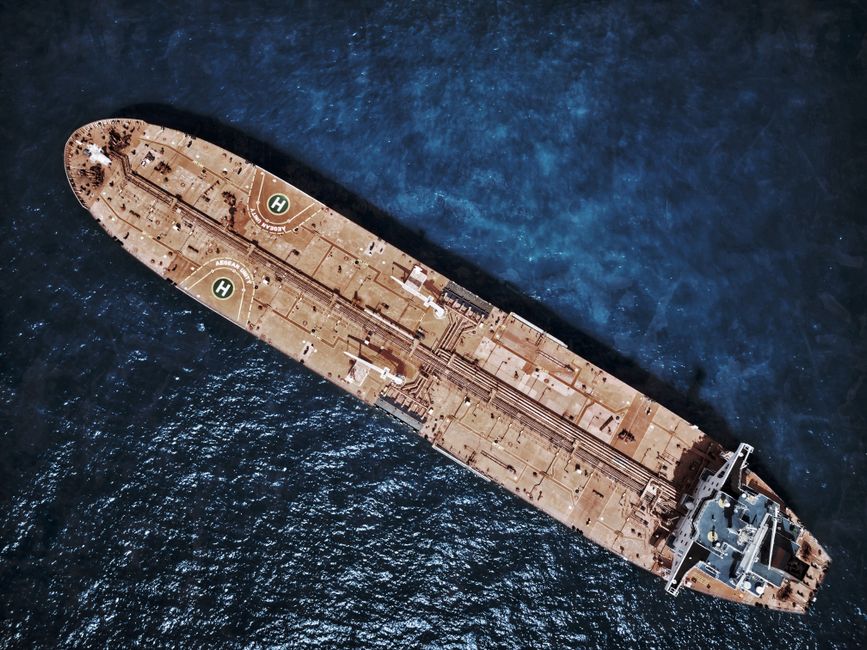
European navies are ramping up operations to intercept the so-called “shadow fleet” of ageing oil tankers that help Russia dodge Western sanctions, according to reporting from Público. The report notes that Russia is responding by militarizing some of these vessels, a move that risks escalating tensions at sea.
What the shadow fleet actually is
Since the European Union and allied countries imposed a price cap and import bans on Russian oil after the invasion of Ukraine, Moscow has relied on a growing number of tankers with murky ownership, ageing hulls, and flags of convenience to keep exporting crude. These ships often sail without proper insurance and have been linked to safety and environmental risks, including incidents in the Baltic Sea involving damaged undersea cables and pipelines.
European navies, including those operating under NATO coordination, have been boarding, tracking, and in some cases detaining these tankers more aggressively in recent months. The Público report describes this as an intensifying campaign, with Russia pushing back by adding military protection or naval escorts to some vessels in the fleet.
Why tensions at sea affect a country far from the Baltic
Portugal is not on the front line of these Baltic and North Sea confrontations, but it is a NATO member with its own navy and sits along one of Europe’s busiest Atlantic shipping corridors. Any escalation involving Russian vessels and NATO navies has knock-on effects for maritime insurance costs, shipping routes, and broader European security planning that includes Portuguese forces.
For foreign residents, the more immediate relevance lies in energy markets and geopolitical risk. Disruptions to the shadow fleet’s oil trade, or a serious naval incident, could ripple into fuel prices and shipping costs across the EU, including Portugal, and add to the broader sense of instability shaping European defence spending and foreign policy debates that residents may see reflected in local news and politics.