
Key takeaways
- Três Bagos Sauvignon Blanc is a flagship white from Lavradores de Feitoria
- The Douro producer group, founded in 2000, pioneered whites from foreign grape varieties
- The wine highlights how Douro is diversifying beyond its famous Port and reds
A recent wine review spotlights the Três Bagos Sauvignon Blanc, one of the best-known white wines from Lavradores de Feitoria, a Douro producer collective founded in 2000. The wine is being praised as a distinctive example of the region’s growing reputation for quality whites made from non-native grape varieties.
A different side of the Douro
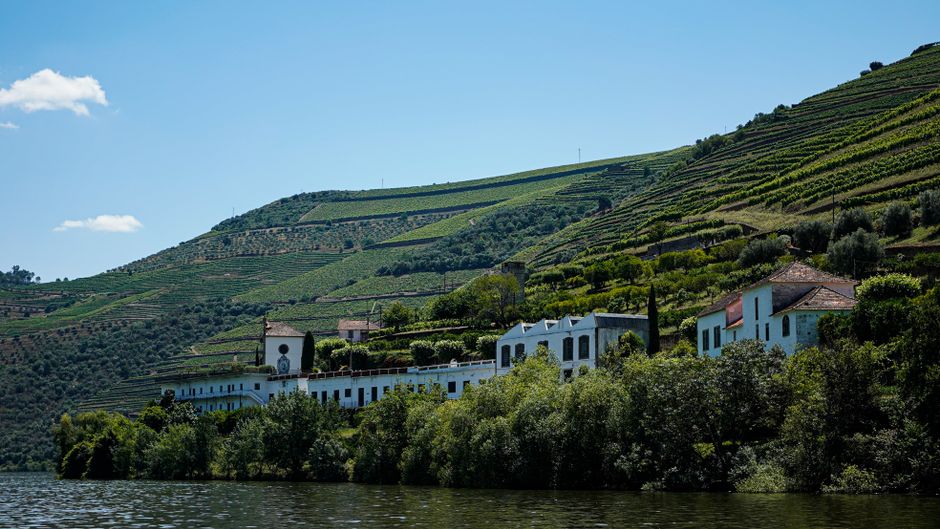
Most foreign residents associate the Douro Valley with Port wine and bold reds, thanks to centuries of tradition tied to the region’s steep terraced vineyards along the river. Lavradores de Feitoria set out to show another dimension of the region soon after its founding, building a name specifically for crisp, aromatic white wines made with grape varieties, like Sauvignon Blanc, that are not traditionally associated with the Douro.
The Três Bagos label has become one of the project’s signature wines, reflecting two decades of experimentation with international varieties planted alongside the more typical Portuguese grapes used in the area.
Why it matters for wine lovers in Portugal
For expats and residents building a taste for Portuguese wine beyond the well-known Vinho Verde or Alentejo bottles, this kind of Douro white offers an accessible entry point into the region’s more experimental producers. Lavradores de Feitoria’s model, bringing together several Douro growers under one label, also reflects how smaller-scale Portuguese wine projects are diversifying to compete both domestically and abroad.
Wines like the Três Bagos Sauvignon Blanc are typically found in Portuguese supermarkets, wine shops and restaurant lists nationwide, making them an easy and affordable way for newcomers to explore lesser-known corners of the country’s wine culture. It’s also a reminder that the Douro, often visited purely for its river cruises and Port cellars, has much more to offer curious residents and visitors willing to look beyond the classics.