
Key takeaways
- Paulo Portas will coordinate Portugal's 900th anniversary commemorations of the Battle of São Mamede
- The prime minister announced an executive commission to oversee the anniversary programme
- The battle, fought in 1128, is widely seen as a founding moment of Portugal
- Anniversary events are expected to run through 2028 and may include public and cultural programming
Portugal’s prime minister has named Paulo Portas, the former leader of the CDS-PP party, to head the commemorations marking the 900th anniversary of the Battle of São Mamede. Portas will chair an executive commission tasked with overseeing the presentation and rollout of the official programme.
Why the Battle of São Mamede still matters
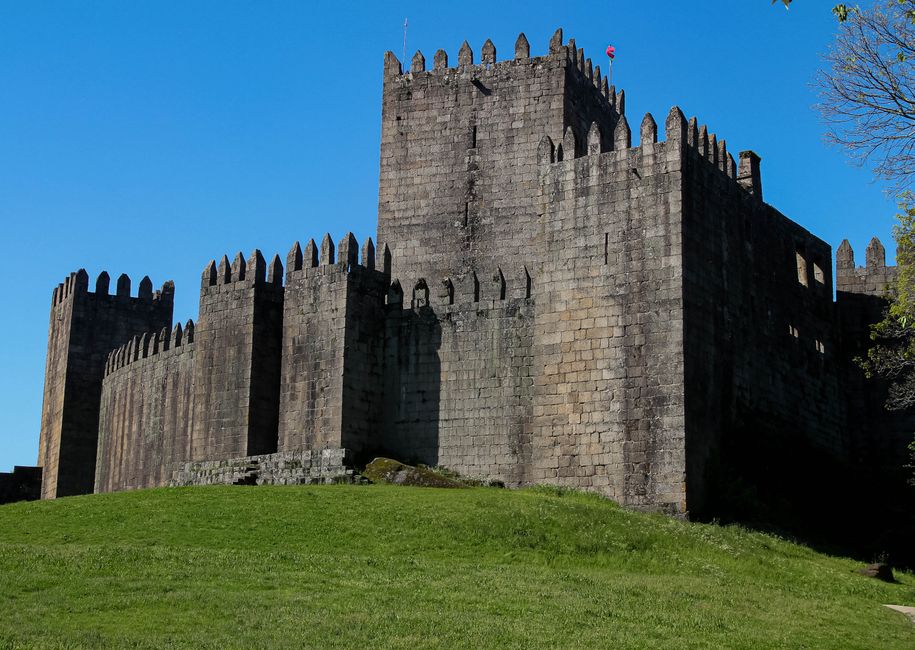
Fought in 1128 near Guimarães, the Battle of São Mamede is one of the most symbolically important events in Portuguese history. It saw Afonso Henriques defeat forces loyal to his mother, Teresa of León, a victory that historians regard as a decisive step toward the eventual creation of an independent Kingdom of Portugal.
Because the battle predates Portugal’s formal recognition as a sovereign kingdom by several years, it is often treated in schoolbooks and national memory as the symbolic starting point of the country’s independence story. Anniversaries tied to this period tend to generate significant public interest, museum exhibitions, academic conferences and regional festivities, particularly in the Minho region around Guimarães.
Paulo Portas’s role in the commission
According to the announcement, Portas will lead “an executive commission that will permanently monitor the presentation of the programme and its implementation,” a mandate that suggests his role will go beyond ceremonial patronage into active oversight of planning and delivery.
Portas, a well-known figure in Portuguese politics, previously served as deputy prime minister and foreign minister and has remained a prominent public voice since leaving frontline party politics. His appointment signals that the government intends the 2028 commemorations to carry real institutional weight rather than being a purely symbolic gesture.
What foreign residents should watch for
For expatriates and long-term residents, national commemorations of this scale often translate into public events, exhibitions, heritage funding and tourism promotion tied to historic sites, especially in the north of the country. Guimarães, already a UNESCO World Heritage city, could see increased cultural programming and visitor interest as the anniversary approaches.
While the full programme has not yet been detailed, the creation of a dedicated commission suggests planning is now moving from concept to concrete implementation ahead of the 2028 anniversary.