
Key takeaways
- Parliament rejected a Livre motion for a long-term Mondego flood-risk strategy
- PSD, Chega and CDS-PP voted against; PS, IL and PCP abstained
- Proposal called for nature-based solutions and public participation on flood planning
- Decision affects flood-prone areas along the Mondego, including near Coimbra
The Portuguese Parliament (Assembleia da República) has rejected a resolution proposed by the left-wing party Livre that called on the government to create a long-term, integrated strategy to reduce flood risk along the Mondego River. The vote saw PSD, Chega and CDS-PP oppose the measure, while PS, Iniciativa Liberal and PCP abstained, leaving only smaller left-leaning benches in favour.
What Livre’s Resolution Proposed
Project Resolution 661/XVII/1.ª asked the government to draw up a comprehensive, long-term plan focused on protecting people, natural ecosystems and land-use planning along the Mondego basin. The proposal specifically called for measures grounded in scientific evidence and developed through a transparent public participation process, rather than piecemeal or reactive flood responses.
Such resolutions are non-binding recommendations rather than laws, but they are often used in the Portuguese parliament to pressure the government into prioritising specific policy areas. Its rejection means there is currently no parliamentary mandate pushing the executive toward a unified, nature-based approach to Mondego flood management.
Why the Mondego Basin Matters to Residents
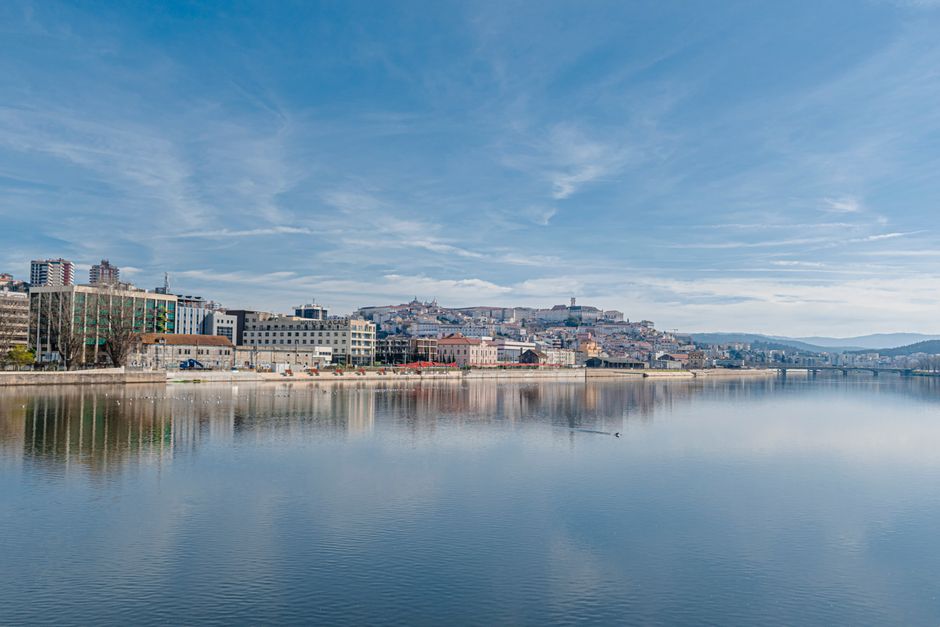
The Mondego is Portugal’s longest river that flows entirely within national territory, running through the Centro region and past Coimbra before reaching the Atlantic near Figueira da Foz. Communities along its banks, including farmland, historic towns and residential areas, have periodically faced serious flooding, particularly during heavy autumn and winter rains.
For foreign residents who own property, run agricultural land, or live in towns near the river in districts such as Coimbra, Guarda or Figueira da Foz, flood risk planning is not an abstract political debate. Insurance costs, property values, and local infrastructure investment in flood defences can all be shaped by whether the national government adopts a coordinated strategy or continues addressing flooding on a case-by-case basis.
The Political Divide Behind the Vote
The split vote reflects broader disagreements in Portuguese politics over how aggressively to legislate environmental and climate-adaptation measures. Parties on the right, including PSD, Chega and CDS-PP, opposed the motion outright, while centrist and some left-wing parties chose abstention rather than support.
Without government-mandated coordination, flood-risk management along the Mondego will likely continue to depend on regional and municipal authorities, alongside existing national civil protection frameworks. Residents in flood-prone zones should stay attentive to local council announcements and civil protection alerts, especially as Portugal continues to experience increasingly unpredictable rainfall patterns linked to climate change.