
Key takeaways
- Serra de Aire near Fátima holds the largest Middle Jurassic dinosaur tracks on Earth
- Lourinhã is nicknamed 'Portugal's Jurassic Park' for rare Late Jurassic fossils
- Species like Torvosaurus gurneyi and Miragaia longicollum were found only here
- Portugal's Atlantic coast preserves geological evidence of the ocean's formation
Portugal is home to some of the world’s most significant dinosaur fossil sites, offering visitors a chance to walk across 175-million-year-old tracks and explore cliffs packed with Jurassic remains. From the Serra de Aire near Fátima to the coastal town of Lourinhã, the country’s geology preserves a prehistoric world that predates its famous vineyards and beaches by hundreds of millions of years.
The dinosaur footpaths of Serra de Aire
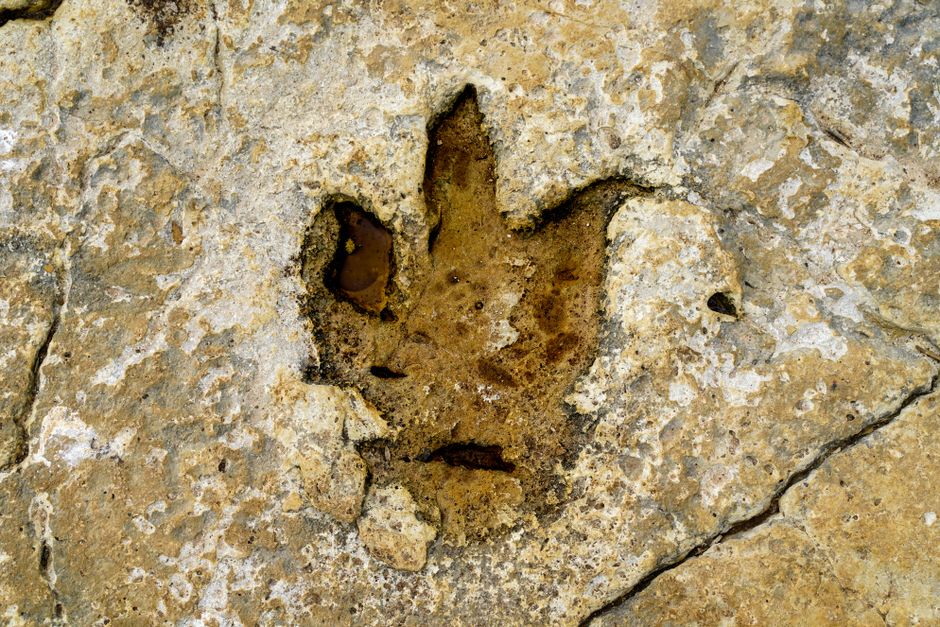
Near Ourém and Fátima, the limestone hills of Serra de Aire contain the largest known set of Middle Jurassic dinosaur tracks anywhere on Earth. Visitors can follow footprints stretching 150 metres, left by giant sauropods whose weight compacted ancient mud into fossils that still show details of their gait and herd movements.
The site offers a rare, tangible connection to a period roughly 175 million years before humans existed, making it a significant draw for anyone curious about natural history while living in or visiting central Portugal.
Why Lourinhã is called Portugal’s Jurassic Park
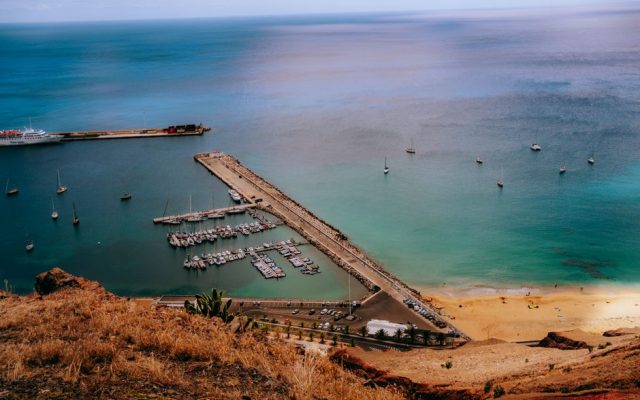
On the Atlantic coast west of Lisbon, the cliffs around Lourinhã contain the richest collection of Late Jurassic fossils found outside the United States. Erosion from storms and landslides regularly exposes new bones, eggs and dinosaur nests along the shoreline.
The area has yielded unique species, including Torvosaurus gurneyi, described as Europe’s largest known land predator, and Miragaia longicollum, a long-necked stegosaur that reshaped scientific understanding of the group. The town embraces this heritage with dinosaur sculptures and a dedicated museum.
How the Silver Coast records the Atlantic’s formation
Beyond fossils, Portugal’s western coastline preserves evidence of how the Atlantic Ocean itself formed. During the Jurassic period, the supercontinent Pangaea began splitting apart, creating rifts and new oceanic crust along what is now Portugal’s margin.
Cliffs at spots like Cabo Carvoeiro and the Silver Coast mark the physical edge where Europe separated from North America, with the same tectonic activity creating the conditions that preserved footprints and fossils in the region.