
Key takeaways
- JPP met European Democratic Party MEPs in Tenerife on outermost regions' funding
- Party wants EU to fund regular Ro-Ro sea links as strategic infrastructure
- Proposal seeks compensation for high costs of Madeira's island status
- Push tied to next EU multiannual budget and POSEI programme reform
Madeira’s regional party JPP travelled to Tenerife this week to meet with members of the European Democratic Party (EDP) and its MEPs, seeking support for stronger European Union funding for outermost regions like Madeira and the Canary Islands. The talks focused heavily on maritime transport, an issue that directly affects how much residents and businesses pay to move people and goods to and from the island.
Why Madeira’s sea links keep coming up in Brussels
Madeira, like the Canary Islands and the Azores, is classified by the EU as an “outermost region” (RUP), meaning it qualifies for special support to offset the extra costs of being far from mainland Europe. JPP argues that maritime connections remain one of the biggest drags on Madeira’s competitiveness, since irregular or expensive sea links push up the price of everything from groceries to construction materials.
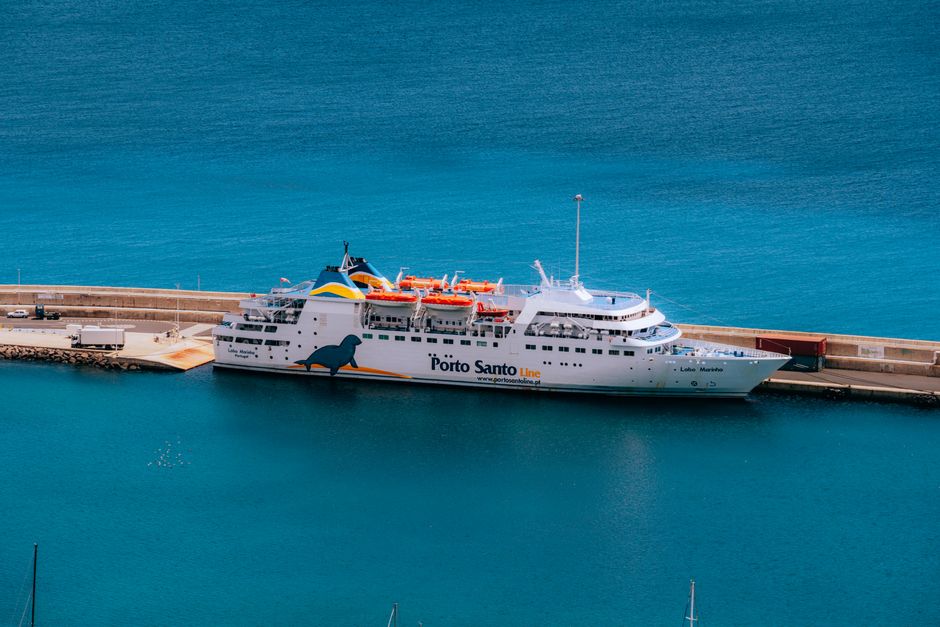
At a conference on the EU’s next long-term budget, the Multiannual Financial Framework, JPP representatives João Ribeiro and Leonardo Reis pressed the case for what they call a maritime “highway” — a formal EU mechanism to fund regular Roll-on/Roll-off (Ro-Ro) shipping routes as strategic infrastructure, similar to how road and rail corridors are treated on the continent.
What JPP is asking Brussels to fund
The party wants the EU to treat scheduled maritime freight and passenger routes as essential infrastructure worthy of direct financial backing, with the explicit goal of keeping ticket and shipping prices competitive for islanders. It is also calling for a deeper POSEI programme — the EU’s existing support scheme for agriculture in outermost regions — and new measures specifically designed to offset the permanent extra costs that come with living on an island far from mainland supply chains.
According to JPP, the EDP’s MEPs, including party secretary-general Sandro Gozi, showed openness to carrying these proposals forward into concrete EU initiatives. Canary Islands regional agriculture secretary Alejandro Narvay also took part in the discussions, reflecting the shared interests of Spain’s and Portugal’s Atlantic island territories.
What this could mean for residents of Madeira
For foreign residents and second-home owners on Madeira, transport costs are not an abstract policy debate — they show up directly in supermarket prices, the cost of importing goods, and the price of ferry or cargo services to the mainland. If JPP’s push gains traction in the European Parliament and feeds into the next EU budget cycle, it could eventually translate into more reliable and cheaper sea connections for the island, though any concrete changes would likely take years to materialise through EU budget negotiations.