
Key takeaways
- Saúde'26 conference on SNS sustainability set for July 8 in Ançã, Cantanhede
- Event brings together regional health authority presidents and medical leaders
- Free registration was open until July 6 via email to organisers
- Discussion focuses on challenges facing Portugal's public health system
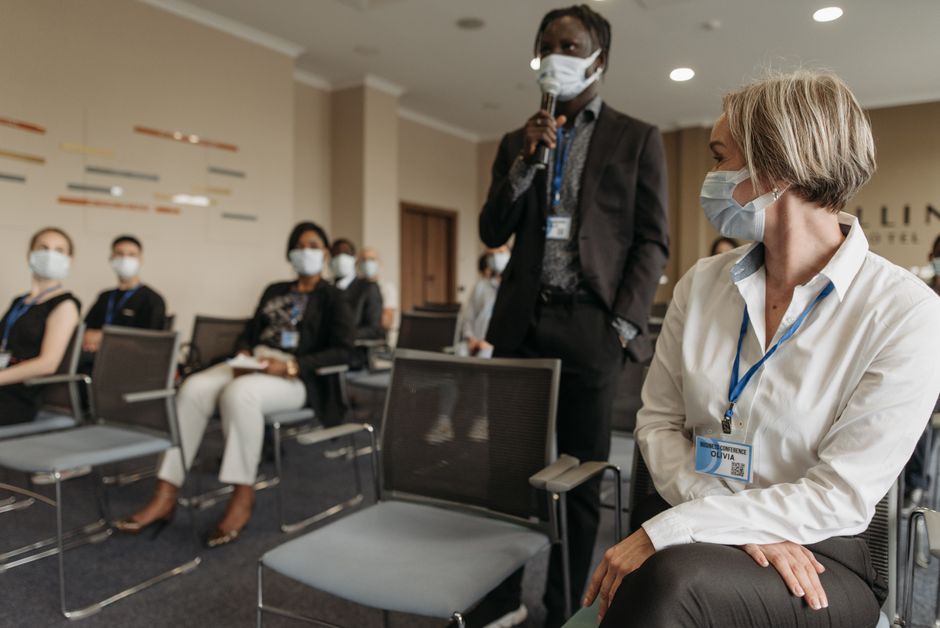
Newspaper DIÁRIO AS BEIRAS is hosting a conference called Saúde’26 on July 8 in Ançã, near Cantanhede, focused on the challenges of keeping Portugal’s National Health Service (SNS) sustainable. The event, titled “Desafios atuais para um SNS sustentável” (Current Challenges for a Sustainable SNS), starts at 5:30pm at the AT Business Center.
Who is speaking at the Ançã health conference
The panel brings together some of the region’s most senior health figures. Confirmed speakers include Ana Raquel Santos, president of the board of ULS Baixo Mondego, and Francisco Maio Matos, president of the board of ULS Coimbra — the two integrated health units that manage public hospitals and health centres across the Coimbra district.
Also taking part are Graciano Paulo, president of ESTeSC (Coimbra’s higher school of health technology), Manuel Teixeira Veríssimo, head of the Order of Physicians’ Central Region section, and Ricardo Leão, clinical director at the private Hospital CUF Coimbra. The mix of public and private sector leaders suggests the discussion will cover both sides of Portugal’s dual healthcare system.
Why the SNS sustainability debate matters to residents
Portugal’s SNS is the public healthcare system that covers residents, including registered foreign nationals, offering low-cost or free consultations, hospital care and emergency services. In recent years it has faced well-documented strain, including staff shortages, long waits for appointments, and periodic closures of maternity and emergency units in various regions.
For foreigners who rely on the SNS rather than private insurance, discussions like this one matter because they touch on the future shape of care access — whether through public investment, restructuring of local health units like ULS Baixo Mondego and ULS Coimbra, or greater reliance on private providers such as Hospital CUF.
While the conference itself is a single regional event with free registration that closed on July 6, it reflects a broader national conversation about how Portugal intends to maintain a functioning public health service amid demographic and financial pressures — a conversation with direct consequences for anyone who might need a doctor, a hospital bed, or an ambulance while living in the country.