
Key takeaways
- Drones in Portugal are regulated by EASA rules plus Portugal's ANAC authority
- Drones over 250g, or any with a camera, need operator registration and an ID
- Flights are capped at 120 metres and must stay within the pilot's sight
- Flying over crowds of 12+ people or uninvolved persons is strictly forbidden
Drones have become one of the most popular gadgets among both hobbyists and professionals in Portugal, but flying one legally involves more rules than many newcomers expect. A recent opinion piece in The Portugal News lays out the key regulations that apply to anyone piloting a drone in the country, whether for fun, photography, or work.
How ANAC and EASA Rules Apply on the Ground
Drone flights in Portugal are governed by European Union Aviation Safety Agency (EASA) rules alongside specific national requirements enforced by Portugal’s Civil Aviation Authority, ANAC. Together these set limits on where, how high, and under what conditions a drone can legally take to the air.
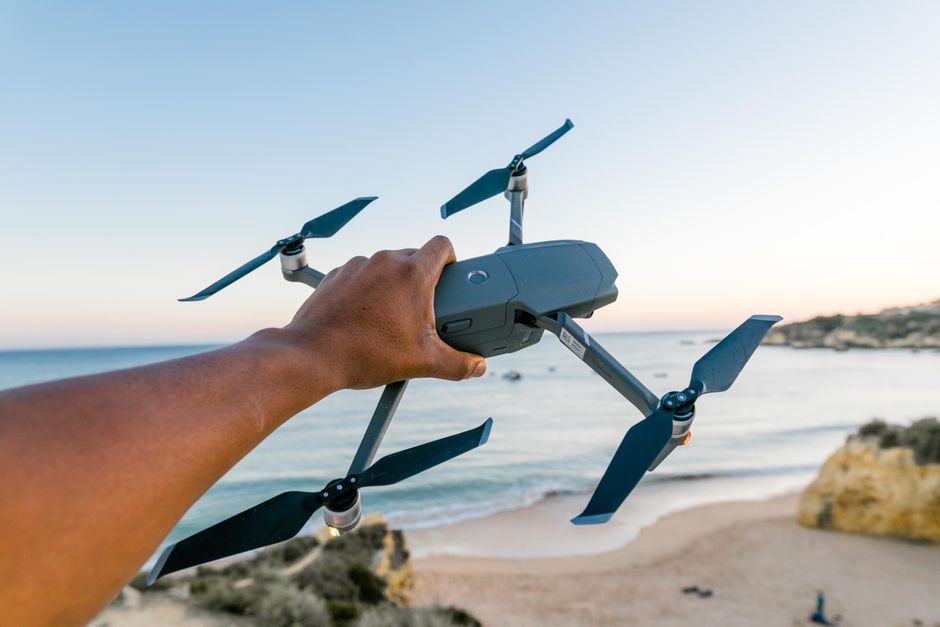
Any drone weighing 250 grams or more, or any lighter drone fitted with a camera, must be registered with ANAC, and the operator’s ID must be displayed on the device. This covers the vast majority of consumer drones sold today, including those bought casually as gifts or holiday purchases.
Where You Can and Cannot Fly in the Algarve or Anywhere Else
Drone pilots are generally permitted to fly over rural, agricultural, or isolated coastal areas, but only outside controlled airspace zones. Portugal’s official Voa na Boa airspace map is the tool residents are expected to consult before takeoff, to confirm a specific spot is authorised.
Flights are capped at a maximum height of 120 metres, and the drone must remain within the pilot’s direct line of sight at all times. Crucially, it is strictly forbidden to fly over uninvolved bystanders or over any gathering of 12 or more people, which rules out casual aerial footage of festivals, markets, or other popular Portuguese events.
From Real Estate Shoots to Prison Smuggling
Beyond hobby use, drones have become genuinely useful tools in Portugal and elsewhere: farmers use them to monitor crops and livestock, search-and-rescue teams deploy them to locate missing persons, and real estate agents rely on them for aerial property shots, provided the correct permissions and privacy rules are respected.
The technology’s darker uses, from military applications to criminals smuggling contraband into prisons, underline why authorities keep tightening the rules. For foreign residents who bring or buy a drone in Portugal, understanding registration and no-fly restrictions matters to avoid fines or confiscation.